In the fast-paced and ever-evolving world of retail, creating an engaging, efficient, and memorable customer experience requires more than just eye-catching design. It involves an in-depth understanding of diverse stakeholder needs, preferences, and expectations. Stakeholder engagement within the retail design process is not merely a buzzword—it's a critical component of shaping spaces that resonate with customers, employees, investors, and the wider community.

Retail spaces serve multiple purposes: they are hubs for commerce, brand identity, and customer connection.With a myriad of individuals and groups involved in the design and implementation of these spaces, the success of a project often hinges on effectively engaging stakeholders throughout the process.
Customer Centric Designs
Employee Experience
Workshops
Implementation and Construction
Sustainability and Community Impact
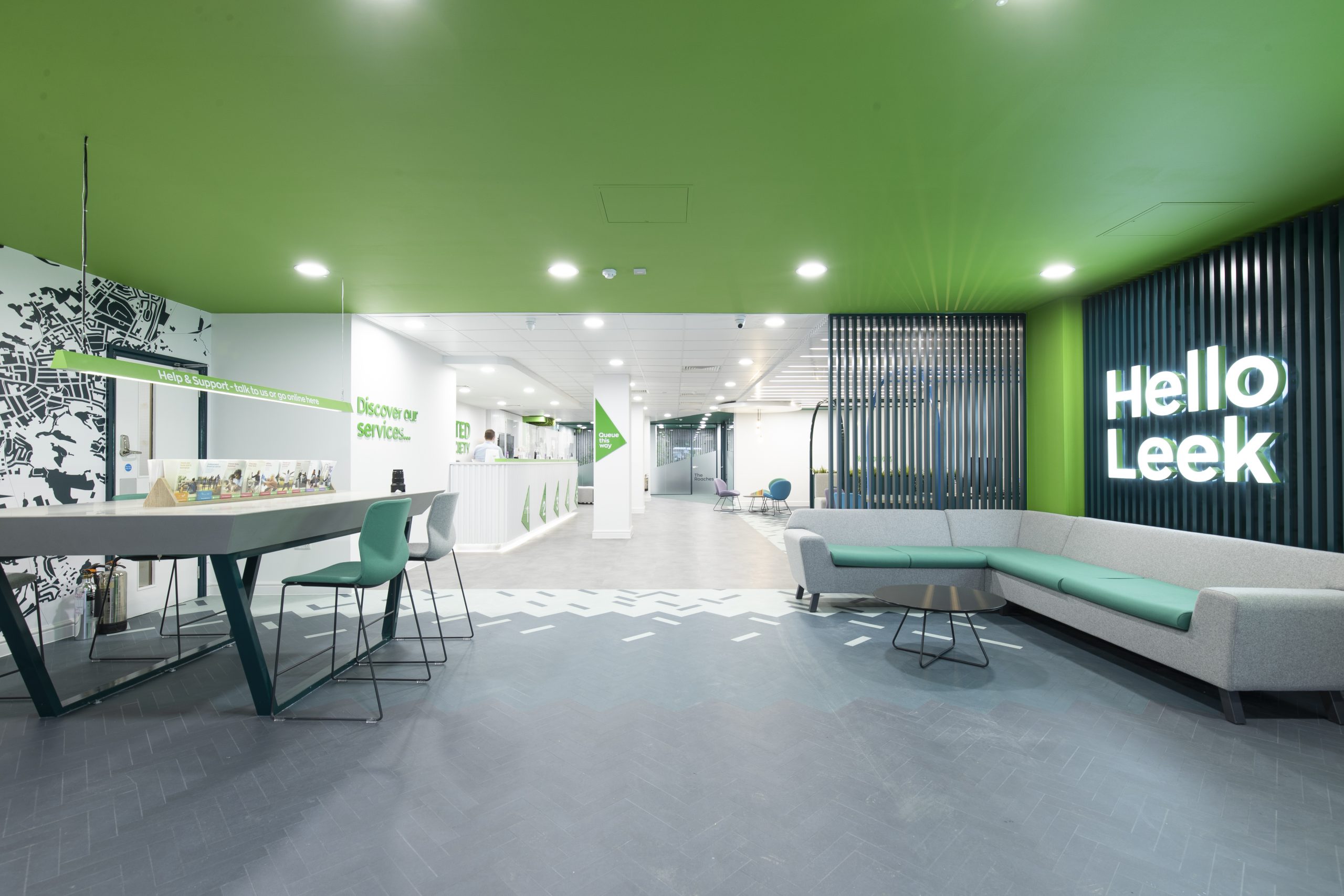
At the heart of any retail space is the customer. Listening to customer preferences, behaviours, and expectations ensures that the final design fosters a positive shopping experience. Engaging customers via surveys, focus groups, or data analysis can help uncover what truly resonates with them. Whether it's the layout, lighting, signage, or ambiance, understanding customer needs helps inform design choices that willdrive traffic, encourage engagement, and ultimately increase
01


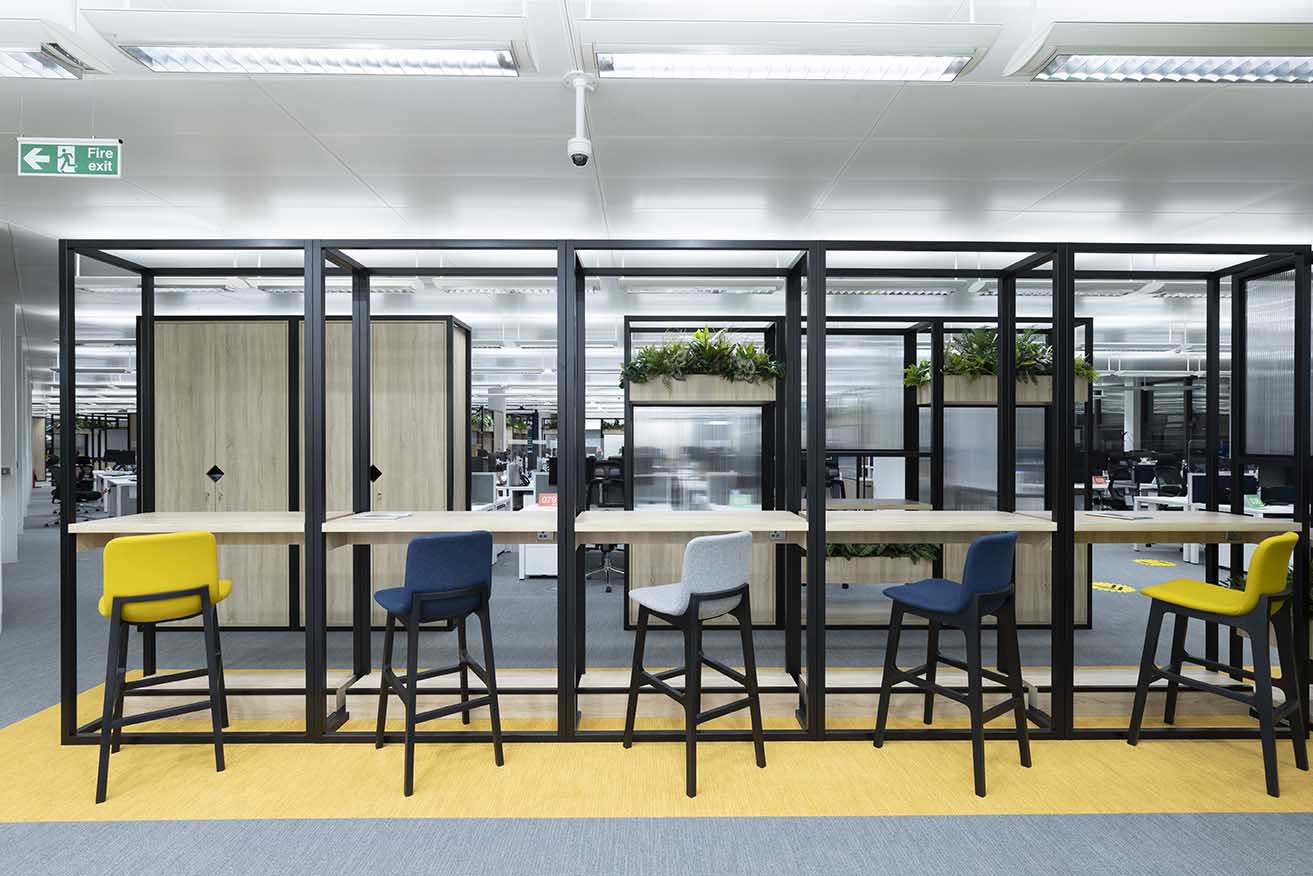
Employees, as key stakeholders, are crucial to a store's success. The design of a retail space should not only cater to customers but also create a functional, motivating environment for staff. Involving employees in the design process allows for feedback on workspaces, flow of operations, and employee comfort. A well-designed store can increase efficiency, morale, and ultimately contribute to a better customer experience.
02
.jpeg)
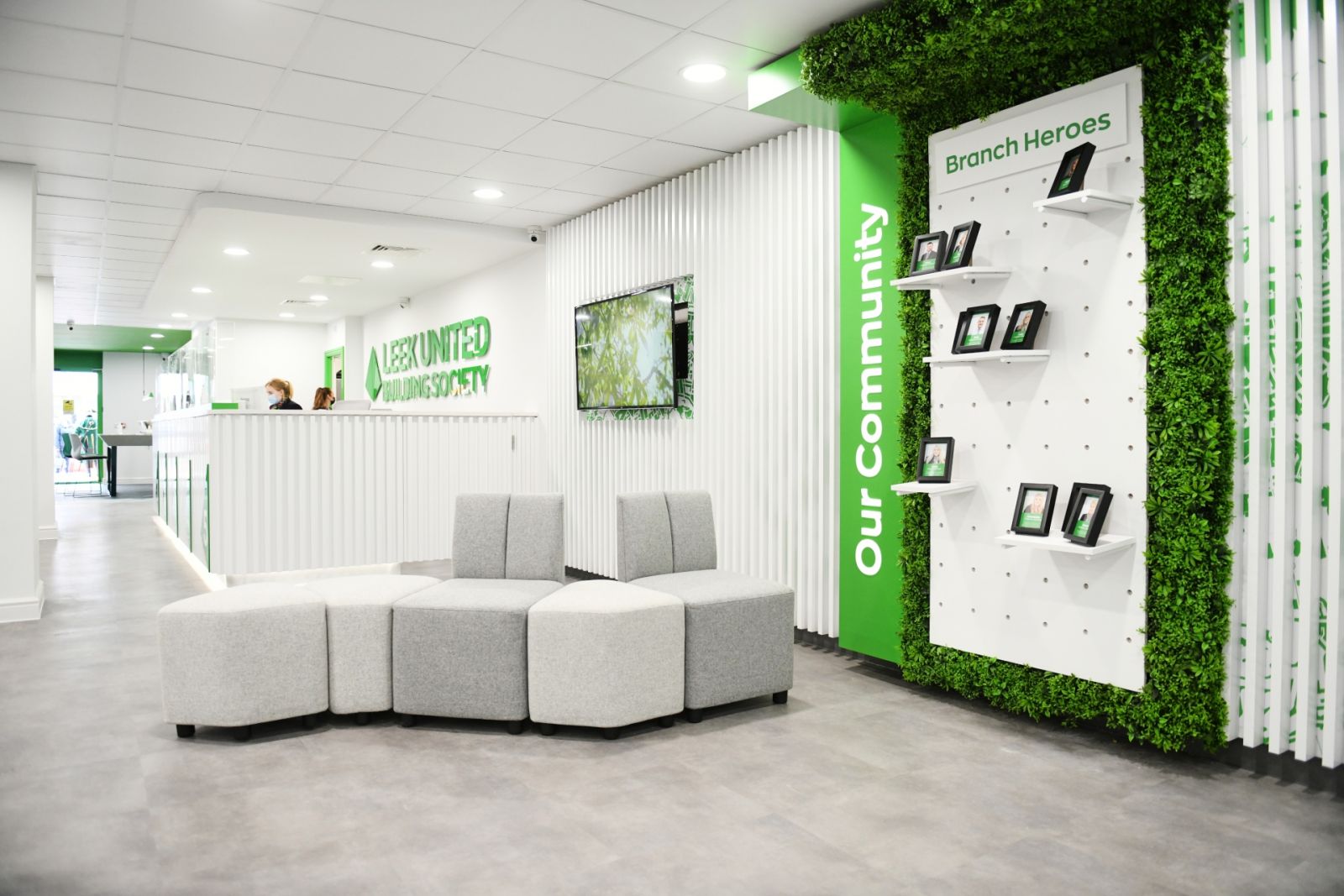
Every retail brand has a unique identity, and the store design should reflect that. The design process offers an opportunity to align the physical space with the company's ethos, values, and aesthetic. Engaging brand stakeholders—including the marketing team, designers, and leadership—ensures that the store becomes a cohesive extension of the brand's online presence, advertising, and customer experience strategy.
03

.jpeg)
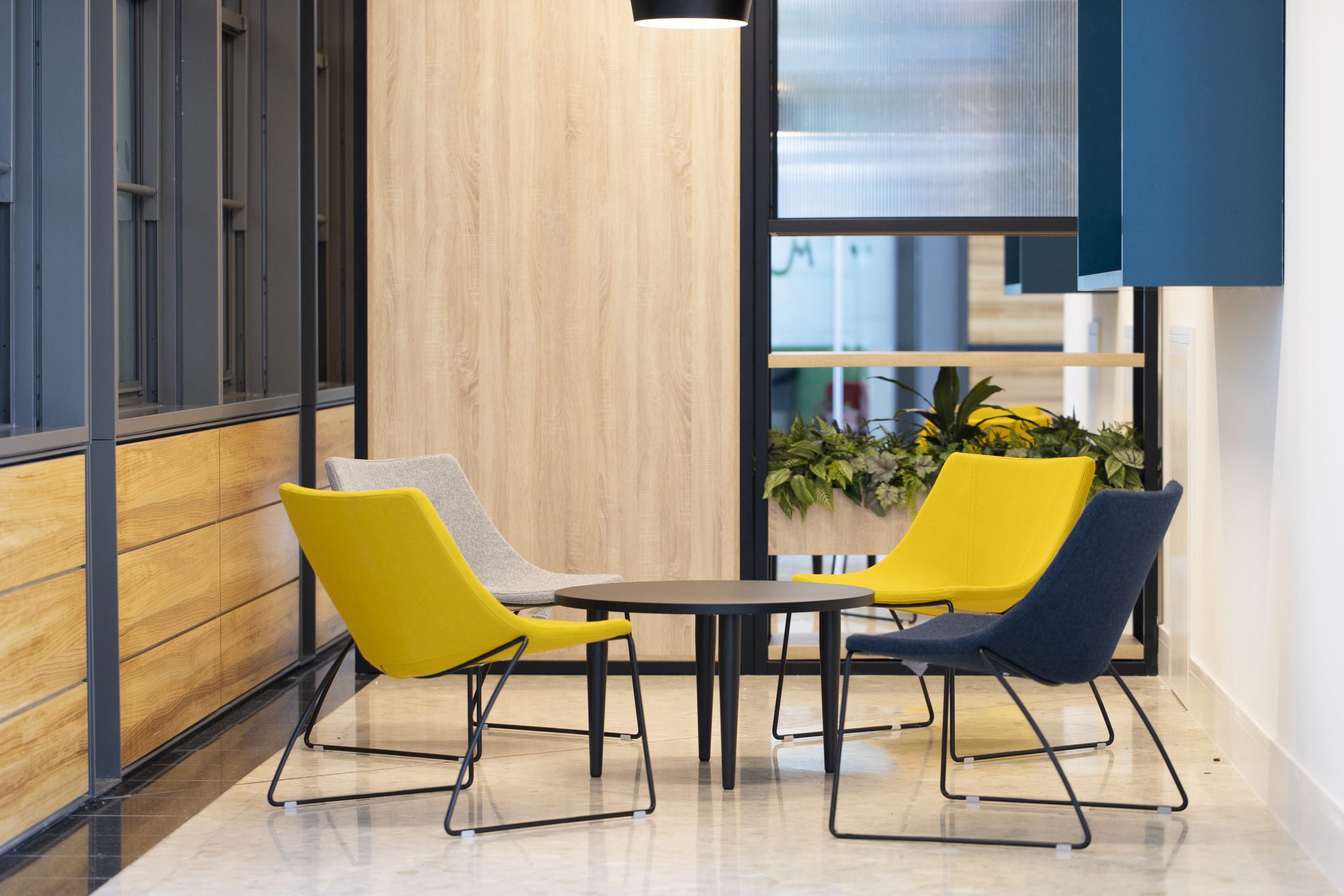
Retail design isn’t just about aesthetics and functionality; it’s also about social and environmental responsibility. More than ever, brands and customers alike are prioritising sustainability in their purchasing decisions. Stakeholders such as environmental consultants, community leaders, and regulatory bodies can provide insight into best practices for eco-friendly materials, energy-efficient layouts, and designs that support the local community. By engaging these stakeholders early, a brand can create a space that meets sustainable goals and aligns with community interests.
04

Establishing transparency and open communication from the outset is key to a successful retail design process. Clear communication channels, including regular updates, meetings, and collaborative tools, ensure that all stakeholders stay informed and that any concerns are addressed promptly. This transparency fosters trust and keeps the project on track. Additionally, engagement should be tailored to different stakeholders' needs—customers may prioritise the shopping experience, while employees focus on layout and ergonomics. By customising the approach to each group, brands can ensure that their input contributes meaningfully to the design.
05


Incorporating data-driven insights into retail design can significantly enhance the customer experience. Analytics such as foot traffic heat maps and sales trends help guide layout and merchandising decisions, ensuring that the space is optimised for engagement and efficiency. However, stakeholder engagement doesn’t end once the design process is complete. Maintaining long-term relationships through ongoing communication and feedback loops allows brands to fine-tune their spaces over time, ensuring they continue to evolve in line with customer needs, business goals, and market trends.
06
07


08
01
Identify and map stakeholders—owners, customers, employees, suppliers, regulators, designers, contractors, and communities—to ensure an inclusive, transparent process.
02
Engage stakeholders through workshops and focus groups to gather insights from customers and employees, ensuring the design reflects their needs and experiences.
03
Maintain ongoing communication with stakeholders to refine the design, ensuring alignment with marketing themes and operational needs like product placement and workflows.
04
Regular updates and collaboration during construction ensure the design vision stays on track, with key stakeholders managing budget, timelines, and problem-solving.
05
Gather feedback from customers, employees, and management to assess design effectiveness, identify successes, and highlight areas for improvement.