
WHAT WE DO

Hospitality Design & Interiors

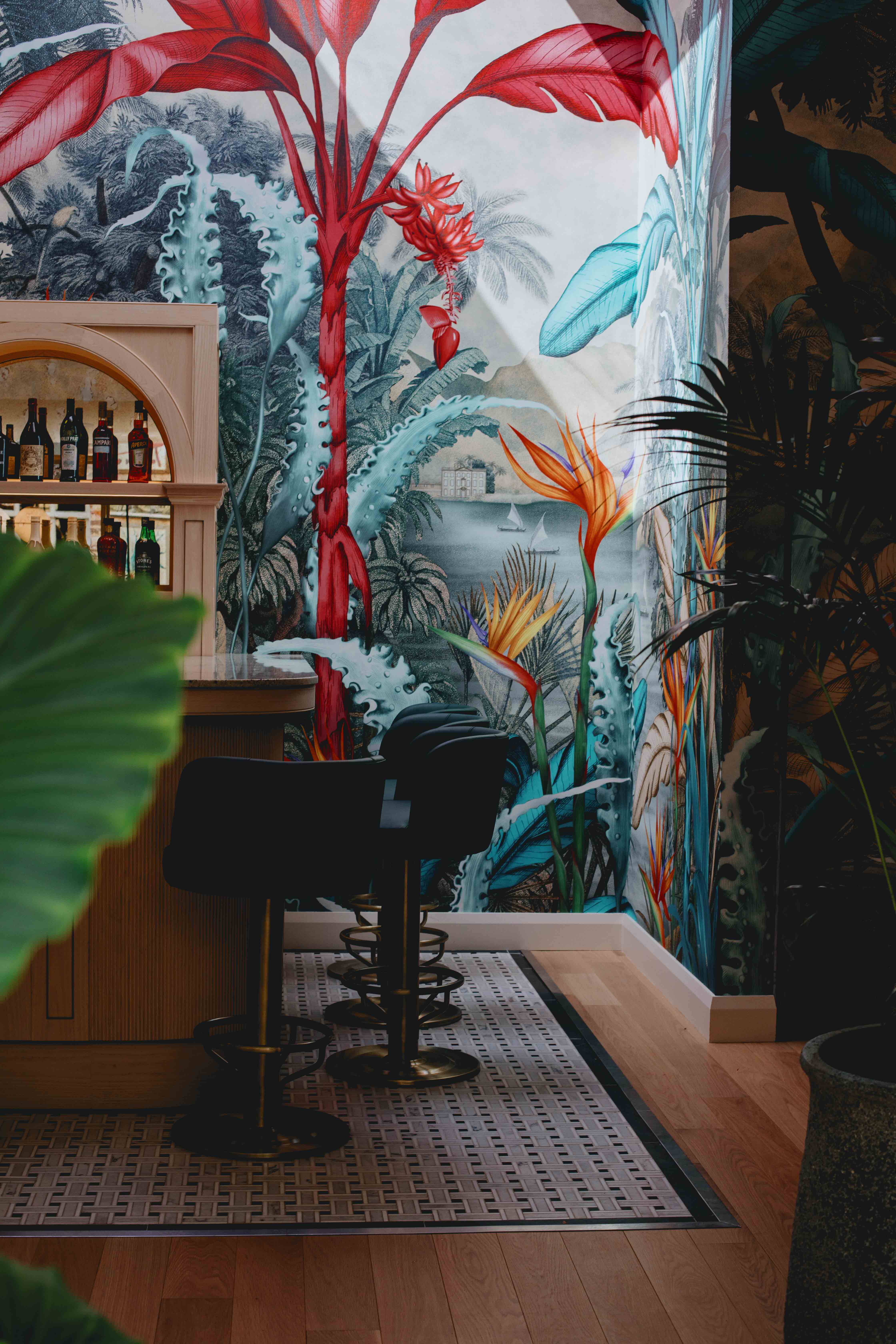
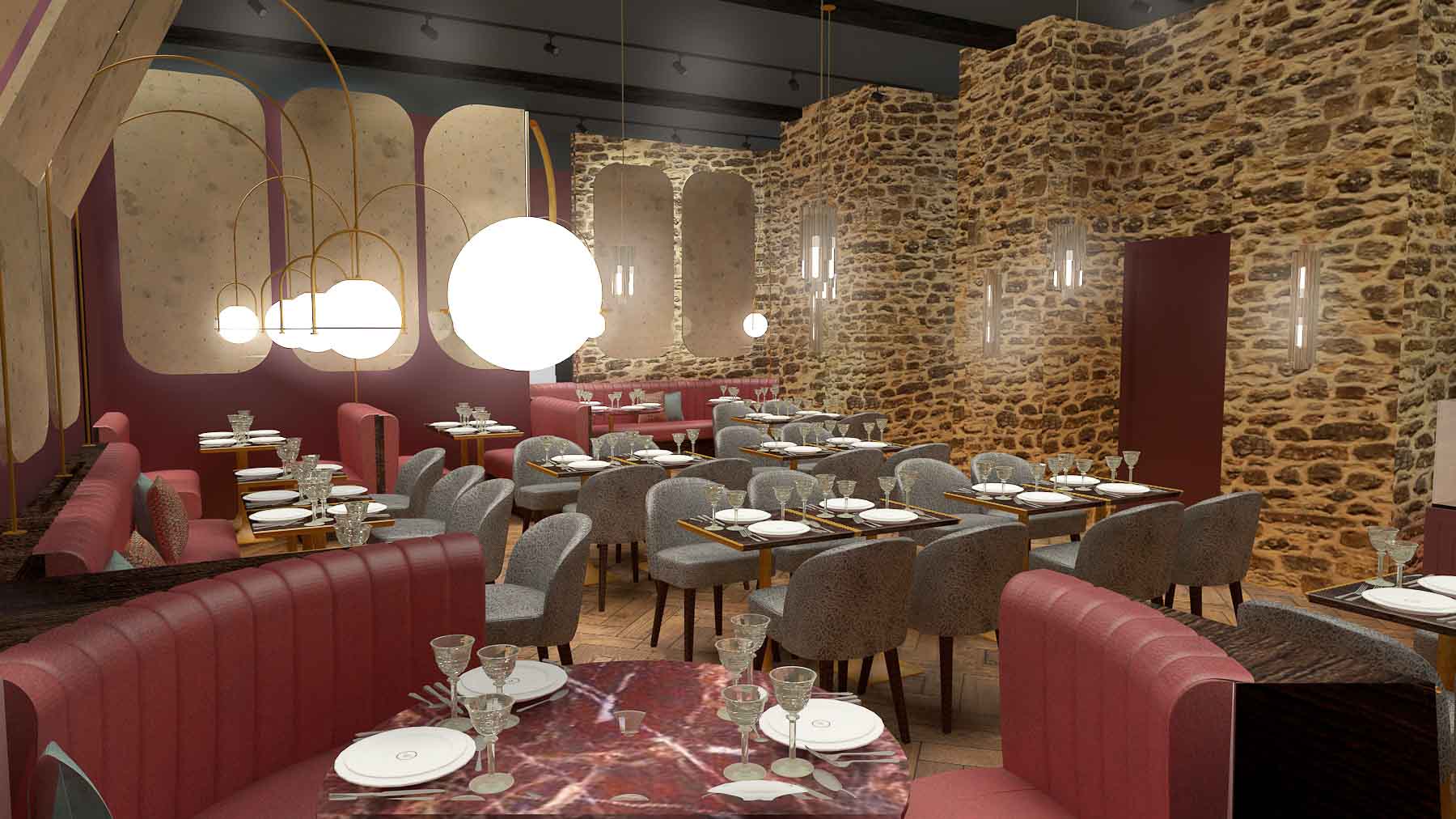
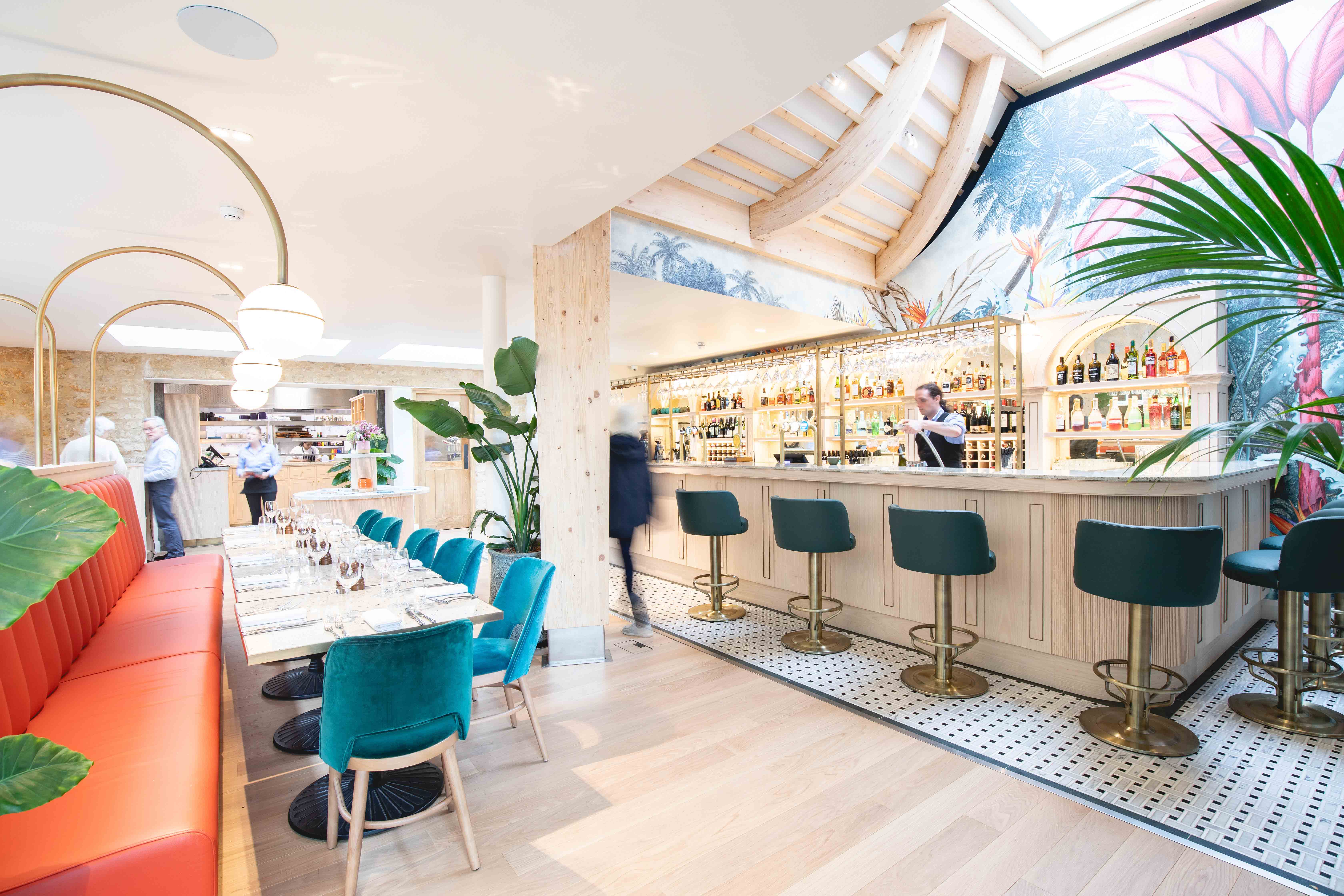
In the competitive world of hospitality, hospitality design is more than just an aesthetic choice—it’s a powerful tool that shapes the guest experience. Whether it’s a boutique hotel, a luxurious resort, or a trendy café, the design elements of a hospitality space can elevate the overall atmosphere, spark emotional connections, and influence the way guests perceive a brand. In this blog post, we’ll dive into some of the most important aspects of hospitality design and explore how thoughtful design choices can transform a space into an unforgettable experience.

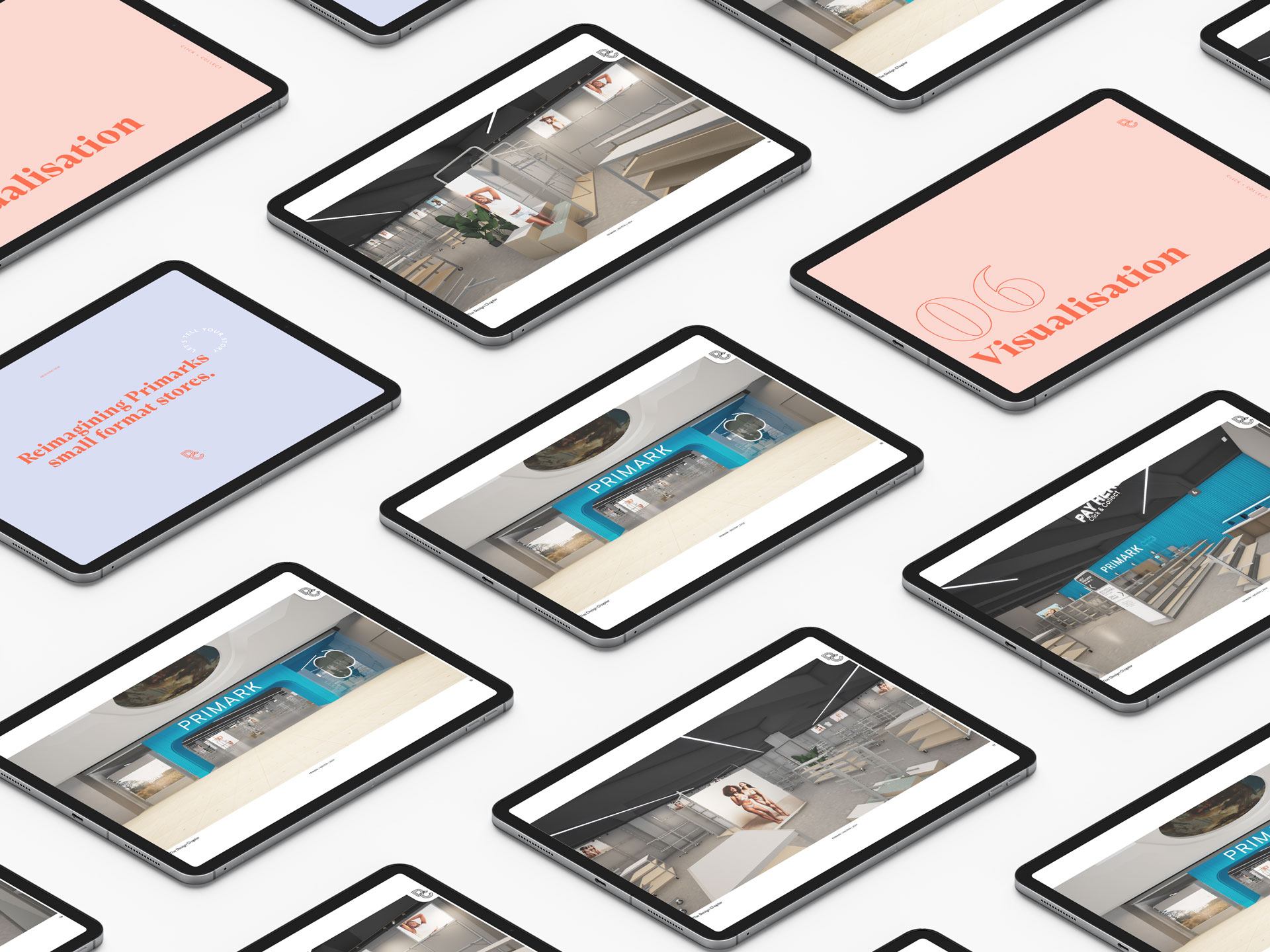
Primark Retail Design

Shaping Hospitality design & Interiors

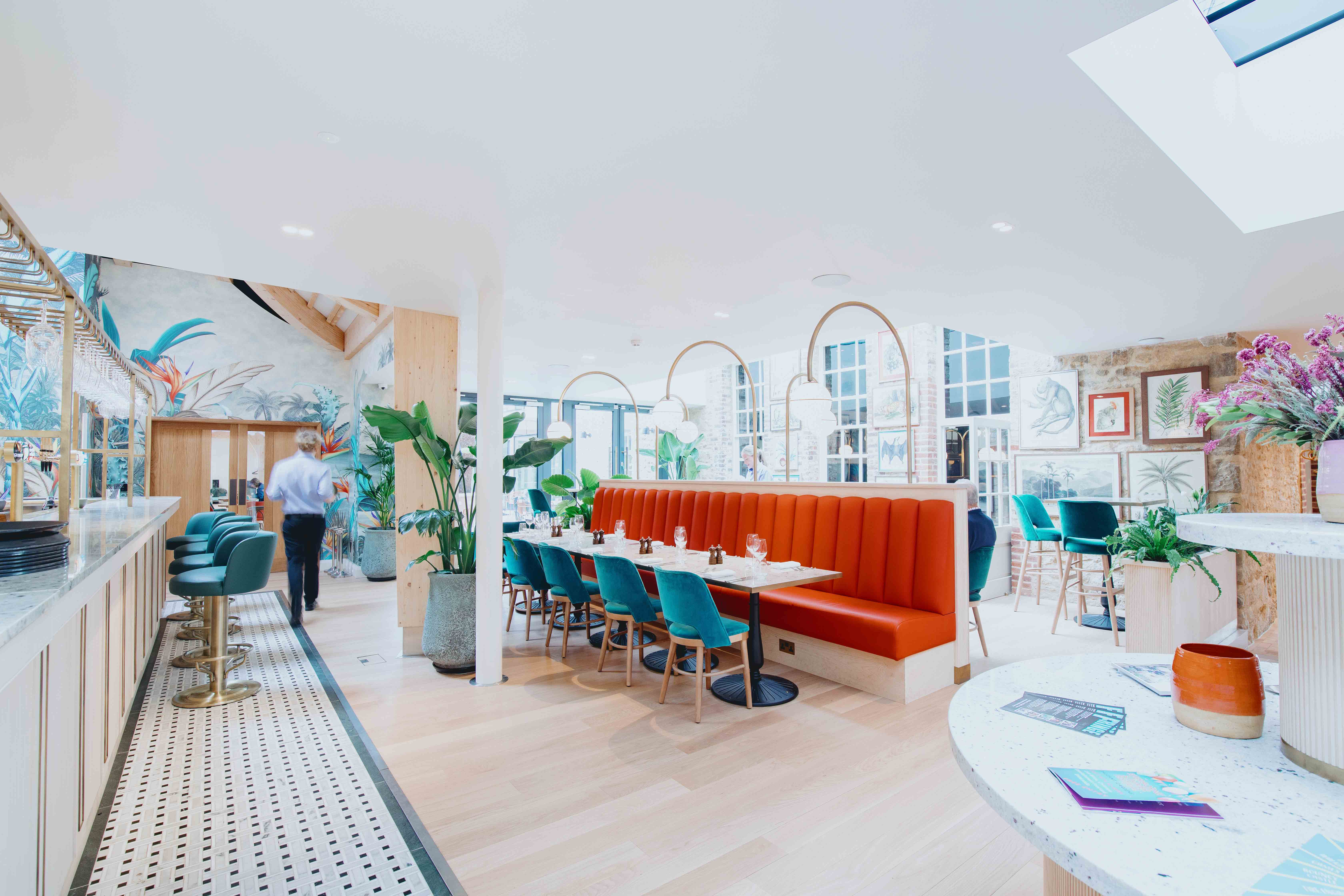
As strategic designers, we excel in creating hospitality interiors that captivate attention and foster meaningful engagement.

Our capabilities

  • Experiential & Branding
  • Furniture & Lighting
  • Culture & Locality
  • Sustainability
  • Technology
  • Sensory & Materials
  • THE POWER OF Hospitality Design & INTERIORS

    Understanding the Role of Hospitality Design and Interiors

    Hospitality design isn’t just about creating beautiful spaces. It’s about creating functional, comfortable, and welcoming environments that make guests feel at ease. From the moment guests walk in, they should feel a sense of comfort and belonging, but also be immersed in a distinct atmosphere that reflects the brand’s identity. Whether a guest is staying for one night or one week, their experience with the space can make all the difference in how they feel about their visit.

    01

    Primark Retail Design
    Shop Design UK

    HOSPITALITY DESIGN & INTERIORS

    Creating an Inviting First Impression

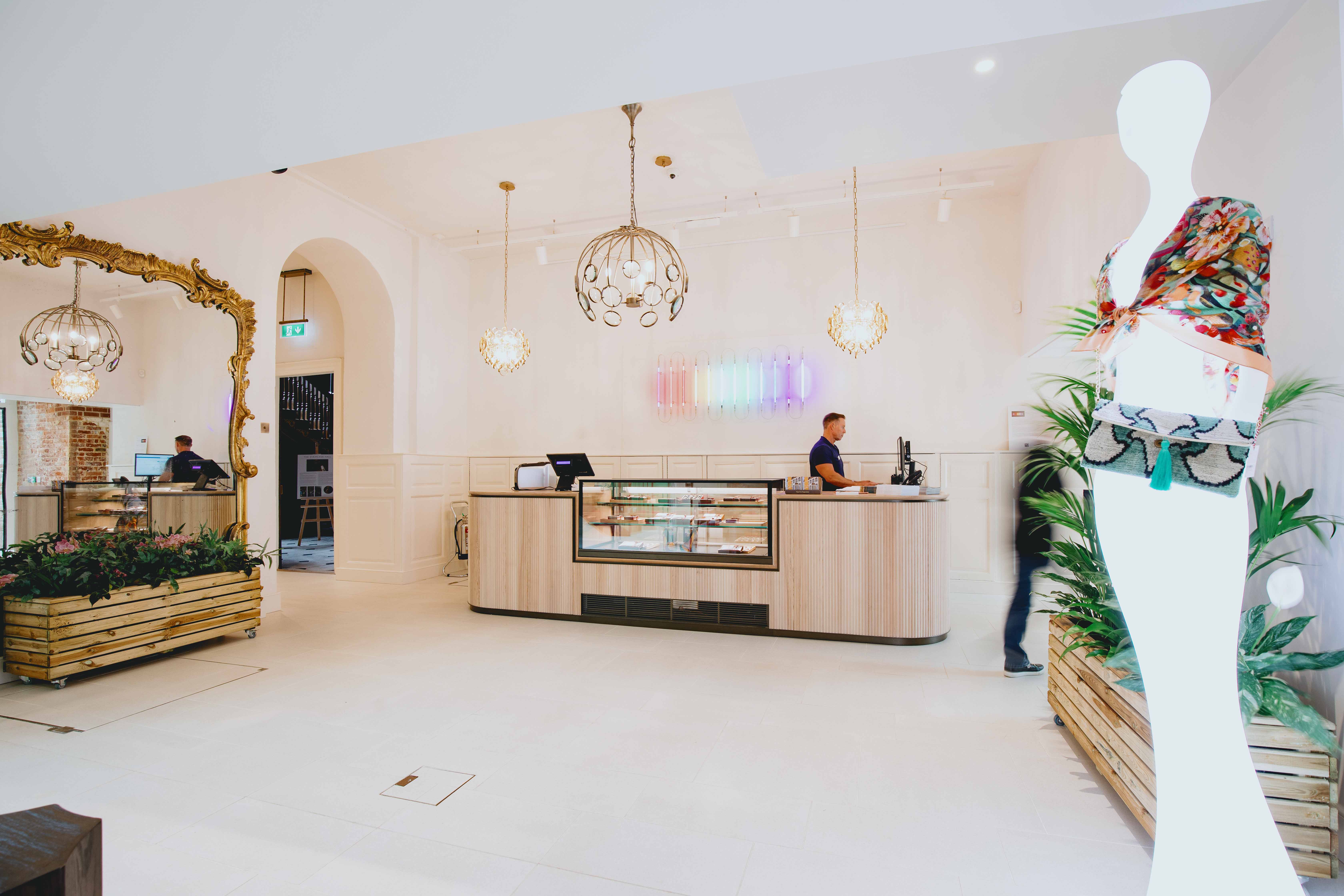
    The entrance of a hotel, restaurant, or other hospitality venue sets the tone for the entire experience. First impressions matter, and the design of entryways should be both striking and welcoming. A grand lobby or a cozy, intimate entrance can immediately evoke a sense of warmth, excitement, or relaxation, depending on the type of experience you want to offer.

    Consider incorporating unique elements such as signature lighting, lush greenery, or even scent design—aromas can have a profound impact on guest perception. Thoughtful details like these leave lasting impressions before guests even step further into the space.

    02

    Shop Interior Design

    Balancing Aesthetics and Functionality

    Functionality Meets Comfort: Furniture and Layout

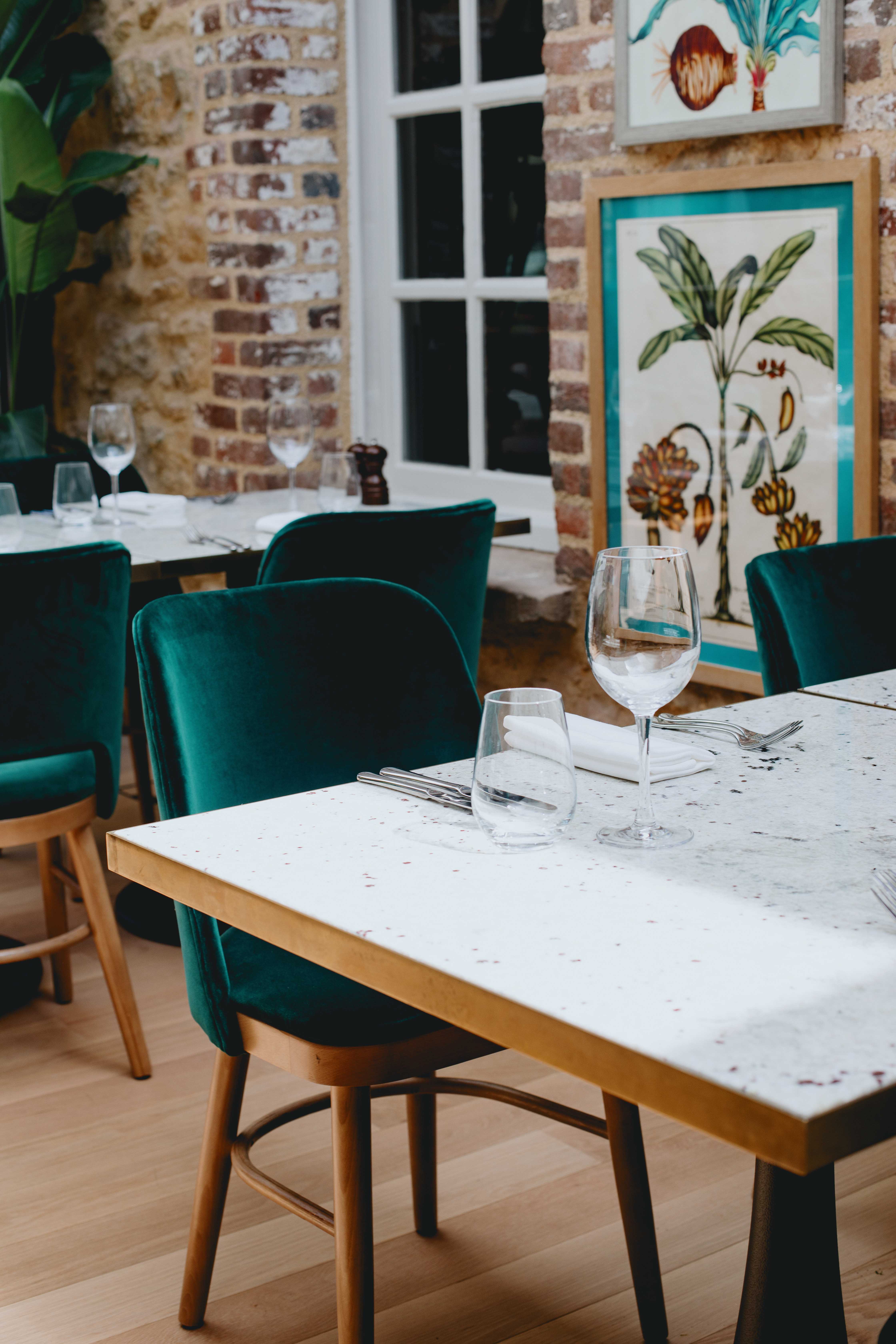
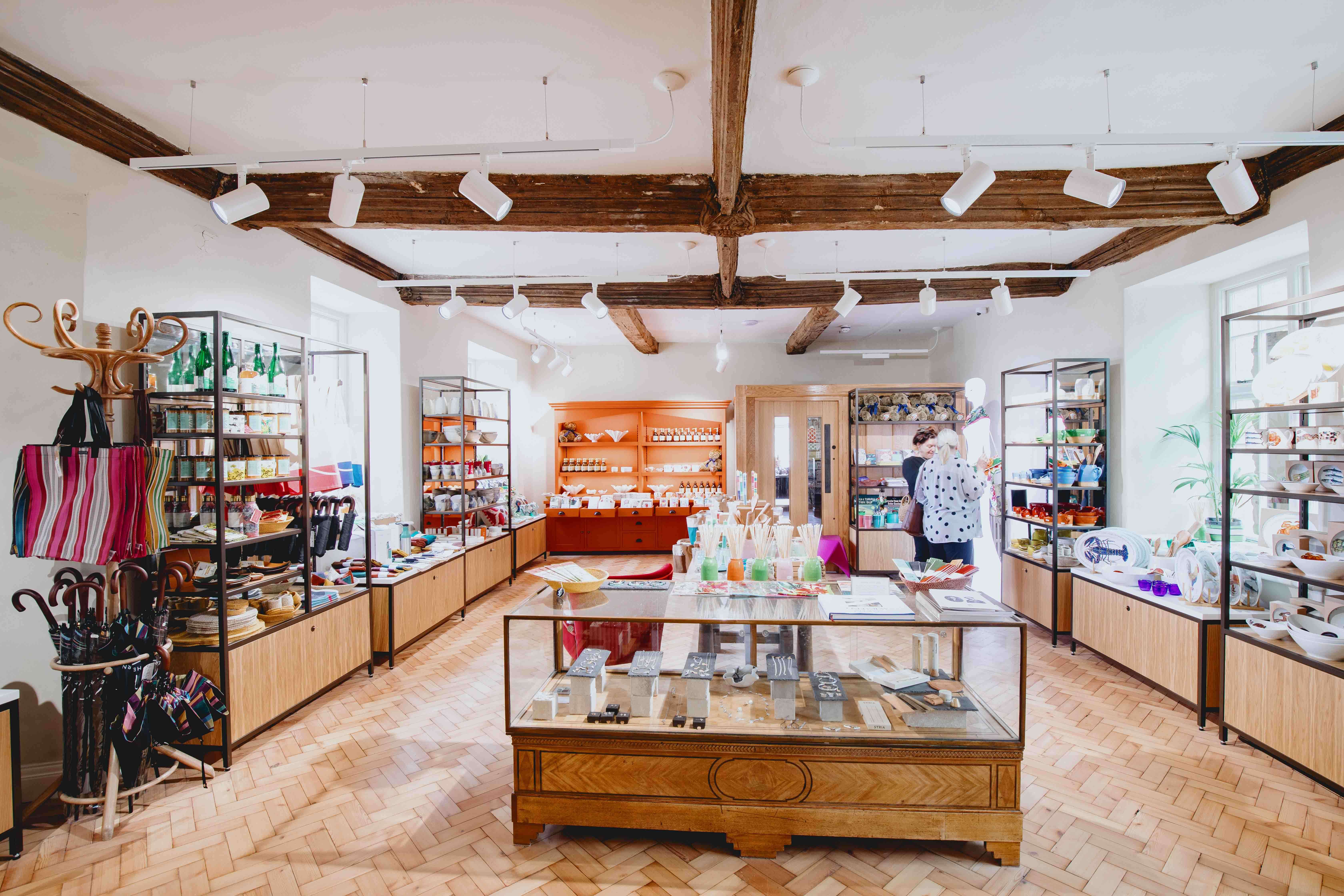
    Once guests are inside, comfort becomes the priority. Furniture and layout choices play a significant role in enhancing the comfort level of a space. Whether it’s the plush cushions in a lobby lounge or the ergonomic chairs in a restaurant, the furniture should support relaxation, interaction, and engagement.

    The layout of each room and public space should also facilitate smooth flow and accessibility. A well-designed lobby should allow guests to easily navigate from check-in to elevators or seating areas, while restaurant seating should consider both aesthetics and the practicality of social interactions.

    03

    Retail Interior Design
    Primark Retail Design

    Designing Spaces with Identity and Purpose

    Tailoring the Design to the Brand’s Identity

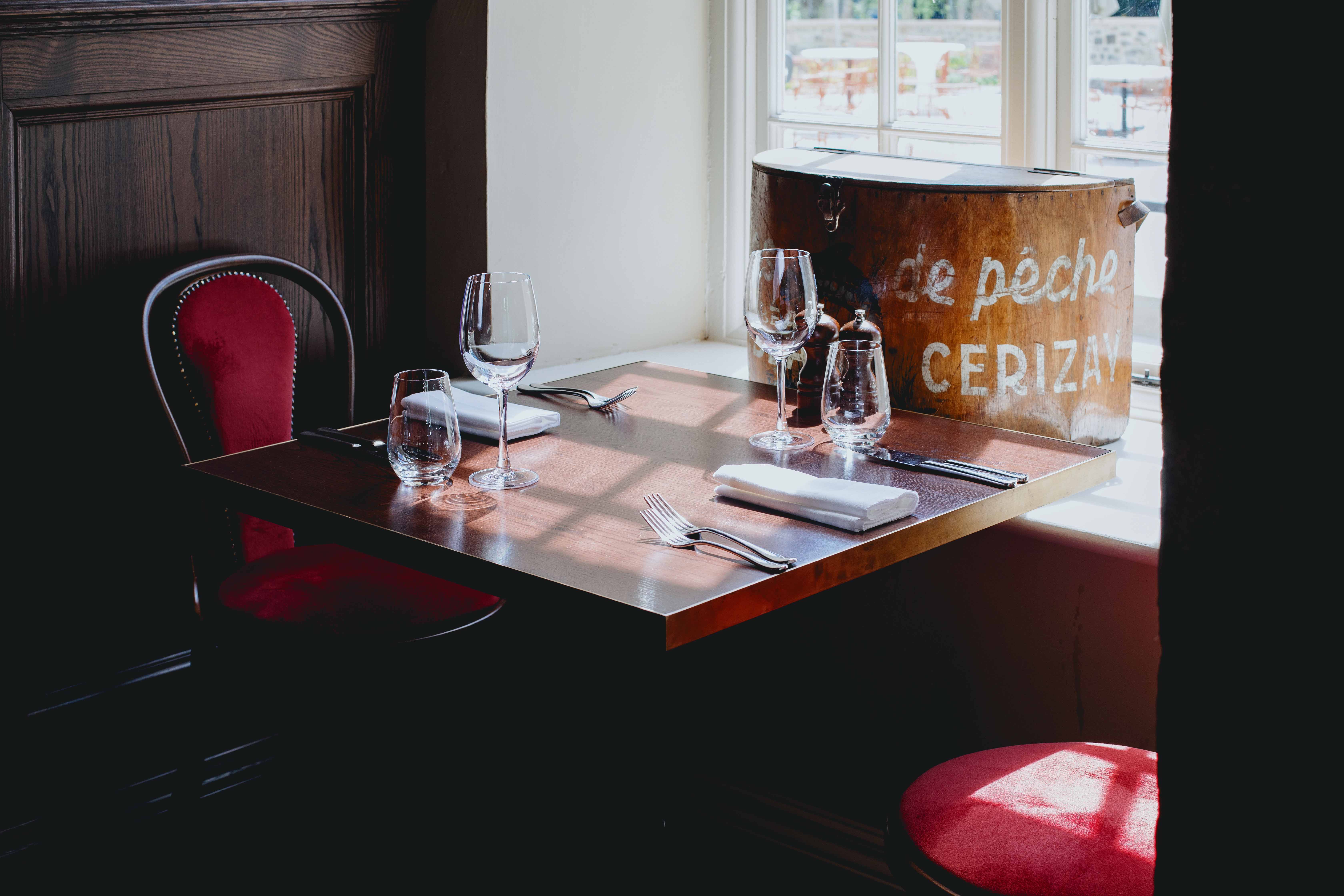
    Hospitality design should tell a story—a narrative that reflects the brand’s identity, ethos, and target market. The interior design of a boutique hotel in a bustling city will look different from that of a serene resort by the beach. Design elements such as colour schemes, textures, and materials should harmonize with the brand’s personality and align with the experience the hotel or restaurant wants to convey.

    A rustic, wood-heavy aesthetic with deep earth tones might evoke a cozy, organic vibe for a mountain retreat. Meanwhile, a modern, sleek design with minimalist touches and cool, neutral colours could be more fitting for a chic urban hotel. The design should resonate with the type of guest the venue is aiming to attract, offering them a sense of familiarity and excitement that aligns with their values and lifestyle.

    04

    Sherborne Retail Design

    Setting the mood

    Lighting

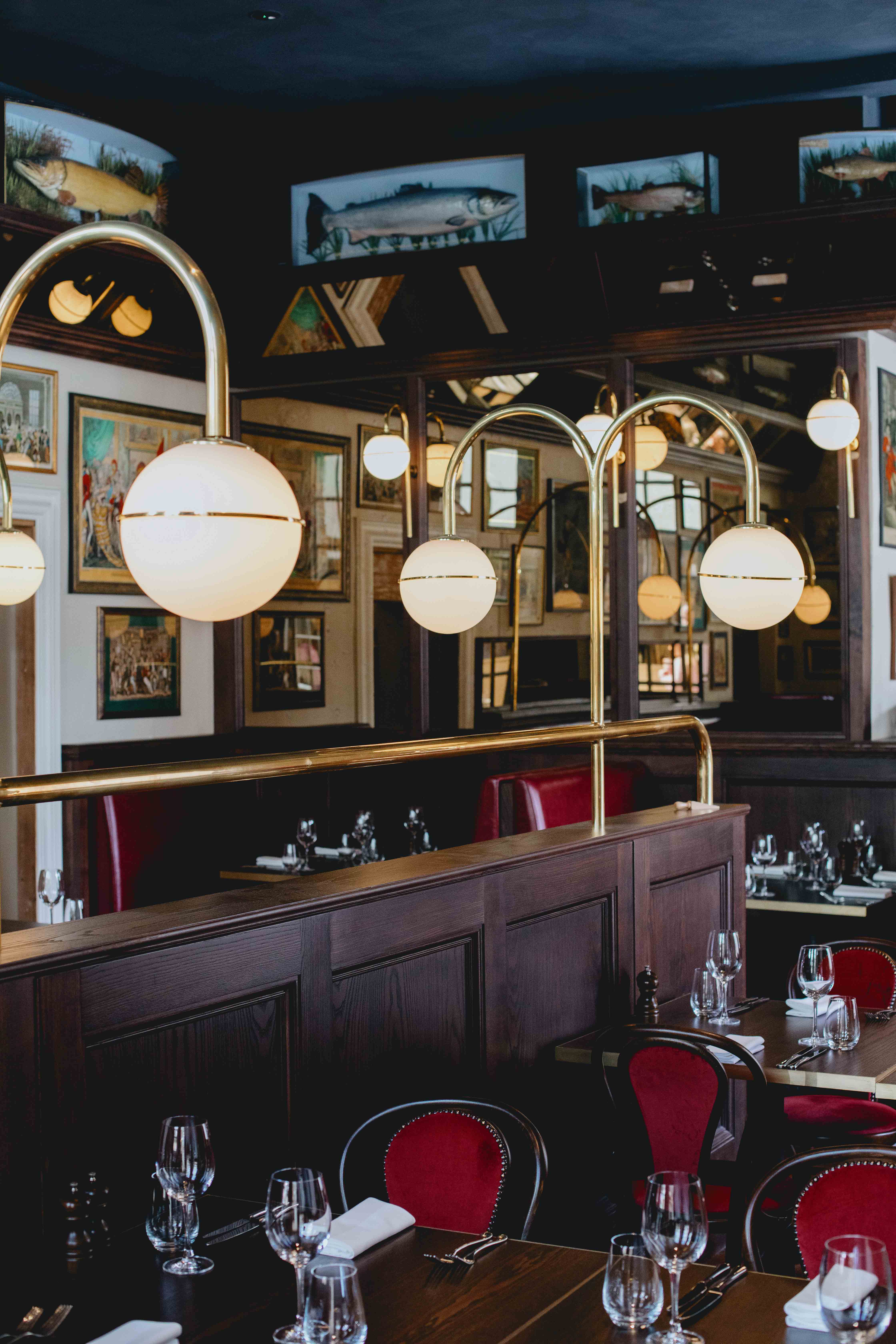
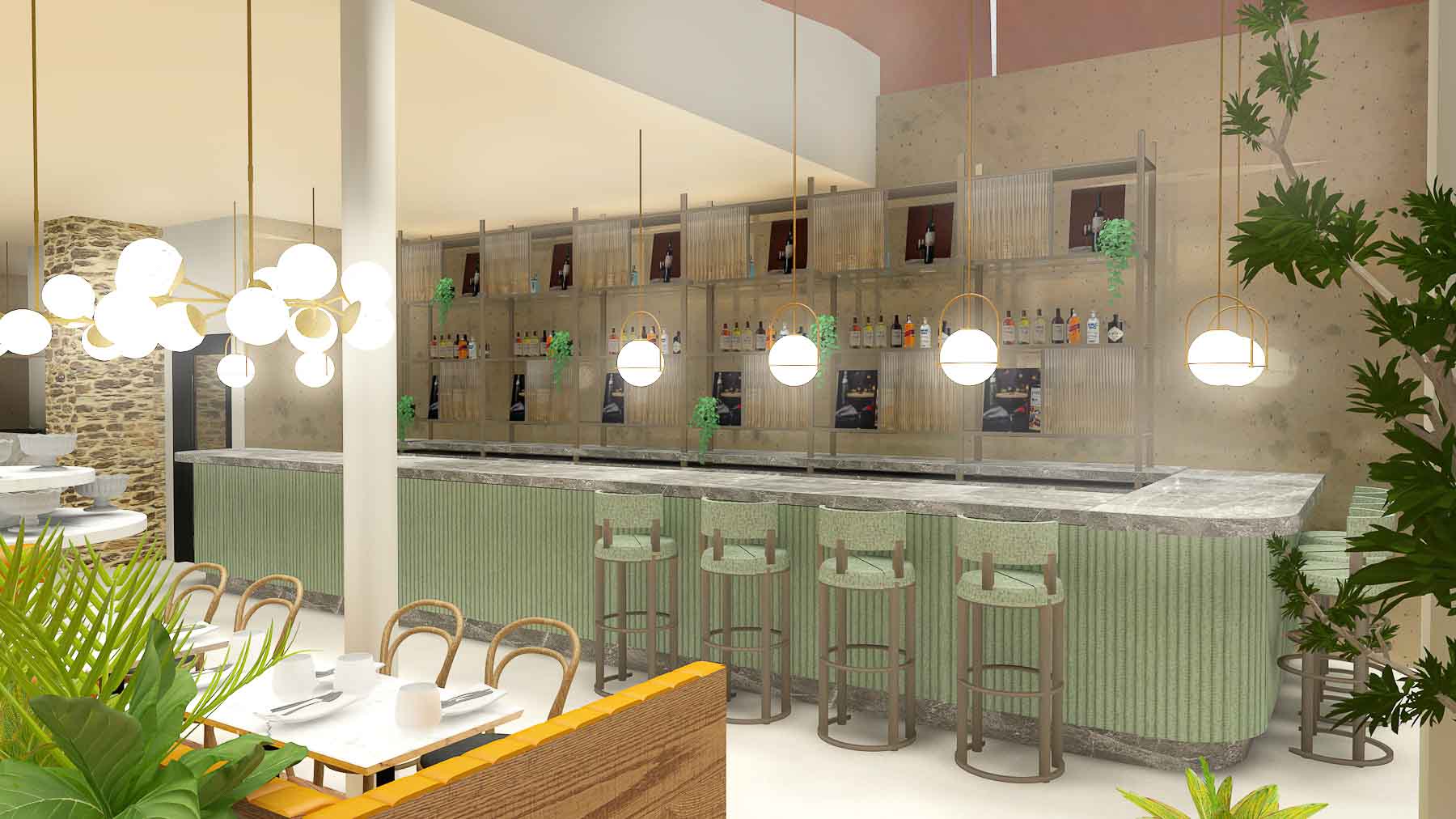
    Lighting is one of the most powerful tools in a designer’s arsenal. It can transform a space, making it feel intimate or expansive, warm or cool, energised or restful. A well-lit lobby or restaurant invites guests to linger, while softer, warmer lighting in rooms fosters relaxation and a sense of calm.

    Layering different light sources—ambient, task, and accent lighting—creates versatility and dynamism in a space. For example, spotlighting artwork, using dimmers for mood lighting, or adding chandeliers as statement pieces can elevate the visual appeal and enhance the overall ambiance.

    05

    Concept Retail Design
    Primark Click & Collect Retail DEsign

    Incorporating Local Culture and Art

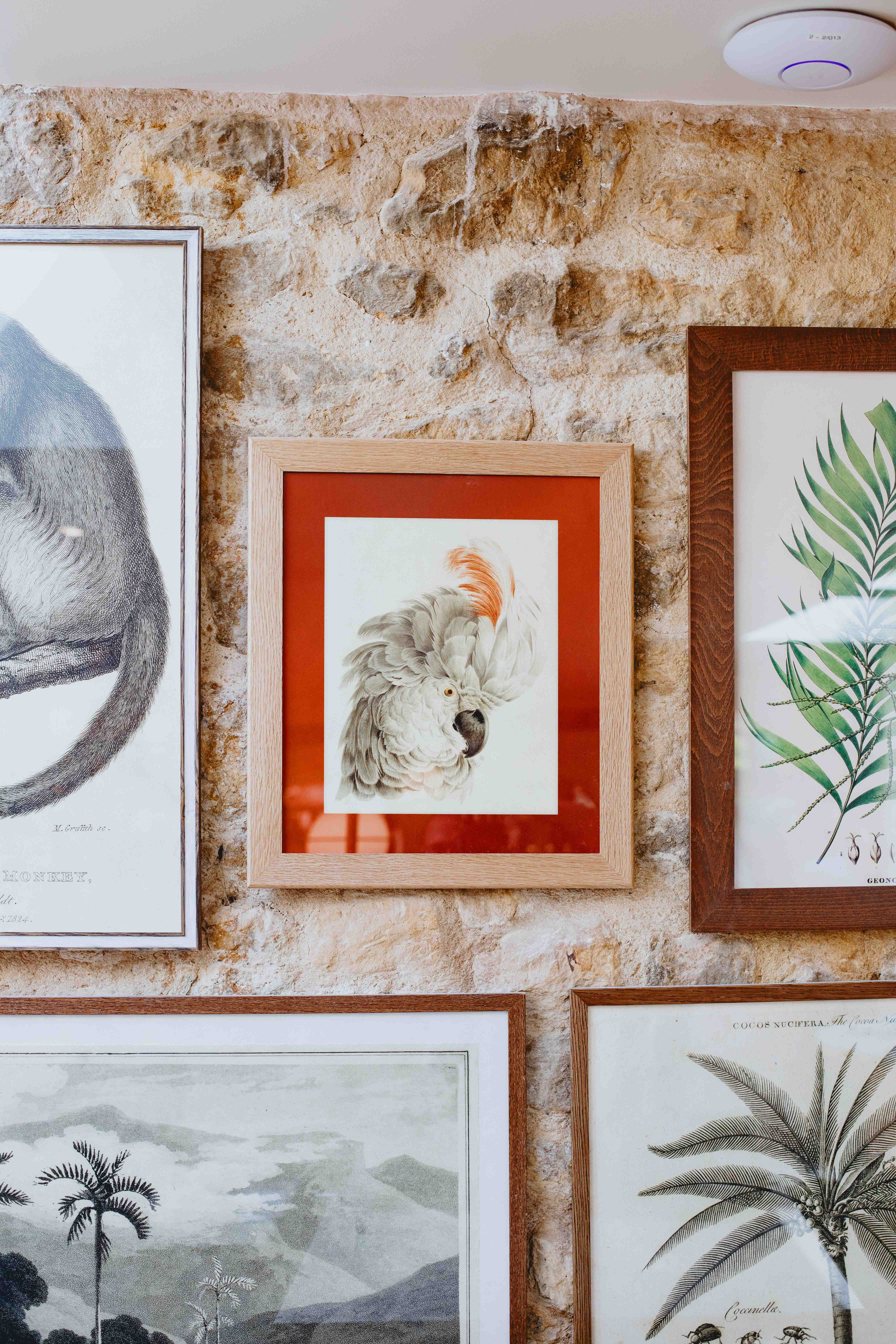
    A great hospitality design connects with the surrounding environment. Whether it’s a hotel in a historic district, a restaurant in a cultural hub, or a resort by the ocean, integrating local culture and art can create a more immersive experience for guests. Not only does this provide a sense of place, but it also supports local artists and crafts people, creating a unique and authentic atmosphere.

    Incorporating local materials—such as indigenous stone, textiles, or artwork—can also highlight the region’s heritage and help guests feel more connected to the area. It’s a wonderful way to blend luxury with authenticity, ensuring that the design reflects both the locale and the larger vision of the brand.

    06

    Sustainable & Circular Design

    Sustainability in Hospitality Design

    Sustainability is becoming increasingly important in hospitality design. Guests are more aware than ever of the environmental impact of the spaces they visit, and they often seek out venues that prioritise eco-friendly practices. Incorporating sustainable materials—like bamboo flooring, recycled wood, or low-VOC paints—can help minimise environmental impact while still maintaining high design standards.

    Beyond materials, sustainability can be reflected in energy-efficient systems, water-saving technologies, and waste reduction practices. For guests who care about the planet, these choices show that a brand is not only invested in aesthetics but also in responsible stewardship of the environment.

    07

    Technology Integration

    As technology continues to evolve, hospitality design must adapt to incorporate the latest innovations.From smart room controls and keyless entry systems to integrated charging stations and digital concierge services, technology enhances convenience and enhances the guest experience.

    While these tech-forward features must be integrated seamlessly into the overall design, they are becoming an expected part of a modern hospitality experience. Designers must strike the right balance between high-tech functionality and comfort, ensuring that the tech doesn’t overshadow the human aspect of the space.

    08

    Our Process

    01

    02

    03

    04

    05

    Our Hospitality Design Projects

    FAQ'S

    Frequently Asked Questions

    Our thoughts on design.

    Unlocking the Potential of 3D Visualisation in Retail Design

    January 2, 2025

    Unlocking the Potential of 3D Visualisation in Retail Design

    Highlights of London Design Festival 2024: A Celebration of Creativity and Innovation

    December 30, 2024

    Highlights of London Design Festival 2024: A Celebration of Creativity and Innovation

    Retail Design Trends for 2025: A Glimpse Into the Future of Retail

    December 16, 2024

    Retail Design Trends for 2025: A Glimpse Into the Future of Retail

    Ten outlandish shop interiors that reimagine the retail experience

    December 16, 2024

    Ten outlandish shop interiors that reimagine the retail experience